Master key planning for Orlando offices works best when it blends security with day-to-day practicality. I have designed and maintained systems for sites that ranged from five-door suites to multi-building campuses, and the same fundamentals keep showing up. Consider these field-tested steps for creating, implementing, and supporting a master key hierarchy that stays secure and simple.
What “master” really means in Orlando buildings
Instead of starting with hardware catalogs, start by listing the rooms, people, and times access is needed. You want to know which doors belong together and which must stand alone for compliance or risk control. Early separation prevents ugly compromises later when a new tenant or a compliance audit pushes for tighter control.
A compact hierarchy reduces confusion when staff turns over or when an emergency locksmith must respond at 3 a.m. The more tiers you add, the more you must track, so keep it clean unless multiple landlords or complex tenant divisions force additional layers.
Choosing cylinders and keyways that match your risk profile
When you pick a keyway, you choose your future, because key control either saves you money or sets you up for constant rekeys. A restricted key that requires your authorized dealer to cut copies reduces surprises when staff turn over or a contractor walks off with a set. Higher security cylinders with hardened inserts, spool or serrated drivers, and robust tailpieces make forced entry and covert techniques harder, and they wear better in humid environments.
Facilities that track keys with a simple digital log, sign-out forms, and periodic audits dramatically reduce rekey costs. A clause that spells out rekey costs for lost grand masters focuses attention and keeps accountability real.
The craft of mapping bitting without painted corners
A keying schedule is the blueprint for your master system, and it should be built before cylinders are pinned or keys are cut. If you lack a door numbering plan, create one now that matches signage and emergency maps, because confusion in labels turns into confusion in cuts. Commercial locksmith software can generate logical bitting progressions, but you still need human review to avoid accidental overlaps or bottom pin extremes that cause sticky operation.
Catching a mis-pinned chamber on the bench is ten times faster than discovering it after the cylinder is in a hollow metal door at closing time. I have opened cores that mixed two different master systems after a rushed “partial rekey,” and unwinding that mess costs more than doing it right once.
Installation details that prevent future headaches
The cleanest keying plan can still stumble if door prep and hardware condition are ignored. A sixteenth of an inch in strike misalignment can turn a great cylinder into a grinding chore, especially on fire-rated doors with tighter tolerances. On hollow metal frames, look for crushed lips and bent reinforcers from past forced entries, and replace damaged parts rather than forcing a cylinder to work against a bent case.
Every change key envelope should have the door list printed, the sub-master noted, and the date pinned, and cylinders should be tagged with core numbers that match your schedule. Fine dust will shorten the life of your cylinder and cause gritty operation that gets blamed on “bad locks.”
Operational policies that keep the system healthy
Keys should not float around in desk drawers without accountability. Tie key status to payroll or HR systems so terminations immediately trigger key return or a rekey decision. When a key is lost, act quickly, because days of delay widen your exposure window.
Many Orlando businesses benefit from blending mechanical masters with selective smart lock installation at higher-risk points. If you add electronic locks, keep your master hierarchy mirrored in your access control groups, and do not create a second, conflicting authorization tree.
Decision points after staff changes or incidents
A measured approach keeps budgets intact without inviting risk. A lost grand master often triggers a staged rekey across the property, starting with high-risk spaces the same day, then rolling through the rest in a scheduled sequence. Your Orlando locksmith can set a calendar with zones so rekeys and replacements land during slow hours.
Split vehicle keys from building keys, and tag them separately with distinct return instructions. Treat transponder key programming and building keys as different workflows with different vendors, even if one mobile locksmith in Orlando handles both.
Preparing for lockouts and after-hours events
Your plan should specify identity verification, an incident log, and whether a temporary key can be issued. In true emergencies like water leaks, a clean process protects both safety and liability. I have seen response times cut in half simply because the paperwork was accurate and available.
If your site includes safes or interior vaults, include safe locksmith details in your plan, since these timelines and tools differ from door lockouts. An after hours locksmith with parts in hand beats a daytime appointment with an empty van.
Leases, rules, and real life on multi-tenant floors
Shared lobbies, restrooms, and mechanical rooms complicate master key systems, so clarify who owns which keys and who pays for rekeys. I structure shared spaces to sit under the building’s sub-master, not under any tenant’s private sub-master, and cleaners get a controlled janitor set keyed to those zones. Your commercial locksmith should review compliance on these openings each time a tenant buildout happens.
Battery reporting, audit access, and unlock schedules should not block first responder entry. Explain to tenants that restricted keys protect their own suite from unauthorized copies by ex-employees.
Tighter controls without paralyzing operations
Expect to isolate these spaces with unique cylinders and limited key counts. A lost key in these zones typically triggers an immediate rekey, not a wait-and-see. Teachers may carry change keys while administrators hold a school sub-master that excludes sensitive storage, and security keeps a master with strict check-out rules.
I have seen unauthorized patching and rogue equipment appear when access https://24hrlhcx880.theglensecret.com/emergency-lockout-service-orlando-on-the-way-support-for-home-company-vehicle-and-workplace was too loose. Your locksmith consultation should include a risk ranking so funding follows impact, not just convenience.
Setting expectations for design, install, and support
Interview your locksmith the way you would a security vendor, because that is what you are doing. Ask whether they provide a written keying schedule, a signed restricted key agreement, and labeled envelopes for each change key family. Mobile locksmith Orlando crews who keep parts on hand can rekey locks or perform door lock repair in one visit.
If your building relies on after hours access, choose a 24 hour locksmith with a real on-call roster, not just a voicemail promise. I carry specialized extractors, lubricant, and replacement pins to salvage hardware whenever possible.
Costing the system without guesswork
Sticker shock usually comes from forgotten line items like spare cores and incidentals. Large campuses can scale quickly, which is why phasing and standardization matter. A five to ten percent cushion covers surprises without derailing the plan.
A yearly line item beats scrambling for approvals during a lockout. For sites with frequent staff churn, rekey locksmith Orlando service can be part of a maintenance agreement, which levels costs and guarantees priority response.
Practical examples from the field
A medical suite near Lake Ivanhoe had 28 doors, with staff turnover every few months and strict control around pharmaceuticals. That hybrid approach preserved their master plan and improved accountability.
They wanted simplicity, so we kept a two-tier hierarchy and used smart locks on the server room and the front door while the interior remained mechanical. Hardware upgrades at the perimeter often buy more security than overcomplicating the master tiers.
A multi-tenant flex building in South Orlando had a patchwork of keys from prior owners, and some keys opened doors they should not. When one tenant reported a lost sub-master six months later, we rotated pins on that bay only and updated the chart the same day.
Balancing convenience, audit, and cost
If you keep rekeying after every staff change, or if audit trails matter for compliance, consider adding selective electronic access at the top-risk doors. Start small, pick doors with the biggest impact, and keep your mechanical hierarchy intact beneath it. Assign responsibility to a person who cares about uptime and reporting, not to a general inbox.
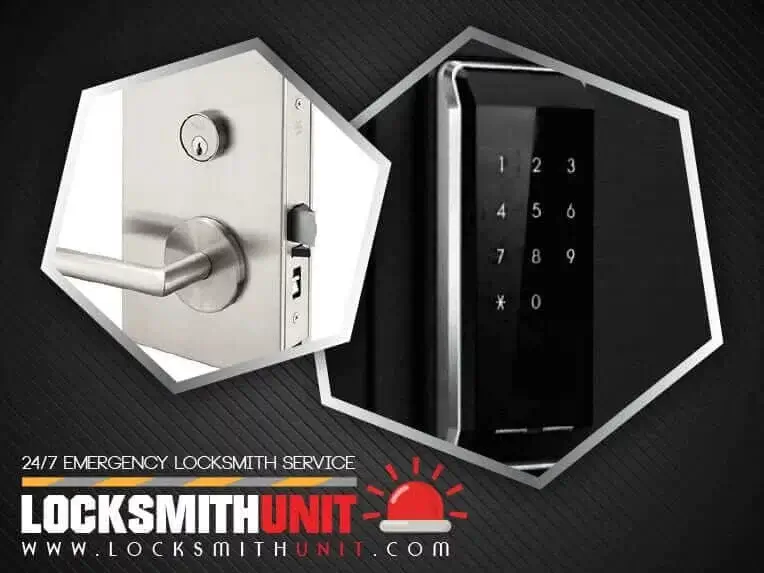
Hurricanes, power loss, and software outages happen, and metal keys remain the last line of entry. Security is a program, not a one-day purchase.
A short reference you will actually use
When you sit down with a locksmith Orlando FL provider, arrive with a crisp snapshot of your building and your needs.
- A door list with numbers, functions, and risk levels. A written description of who needs what and when. A decision on restricted keyways and high security locks for sensitive spaces. A simple form set for sign-out and sign-in. Clear authority for lockout service and emergency door unlock scenarios.
What trips up even experienced teams
I have seen buildings with three different restricted platforms because no one set a standard. Enforce restricted key rules, keep blanks under lock, and route all requests through one person. A fifteen-minute tune per door prevents broken keys and angry users.
Your locksmith should verify identity, not just take a name over the phone. When the day comes to rekey a zone, that record saves hours.
A stable system that adapts as you grow
If you get the hierarchy, key control, and door health right, the rest falls into place. Lean on mobile support for same day locksmith needs and after hours locksmith calls, but keep your documentation current so those visits are quick and clean. As staff changes, rekey service and key duplication under control will feel routine rather than disruptive.